
Pressure Gauge Calibration is the routine checking and correction of gauge accuracy. I cover methods, root causes of drift, and field controls I use to secure safe, reliable readings.
I have stopped plant trips caused by one bad gauge. I have also prevented leaks by noticing gradual drift over time.
Measurement error costs production, quality, and safety. Calibration is engineering, not paperwork. The market shows investment: calibration services and pressure gauge equipment are large markets.
These numbers justify a practical program built on pressure gauge calibration services. Use on-site checks and real data. Read this if you want direct, technical steps you can apply now.
It helps operators, technicians, and engineers get reliable readings and clean audit records.
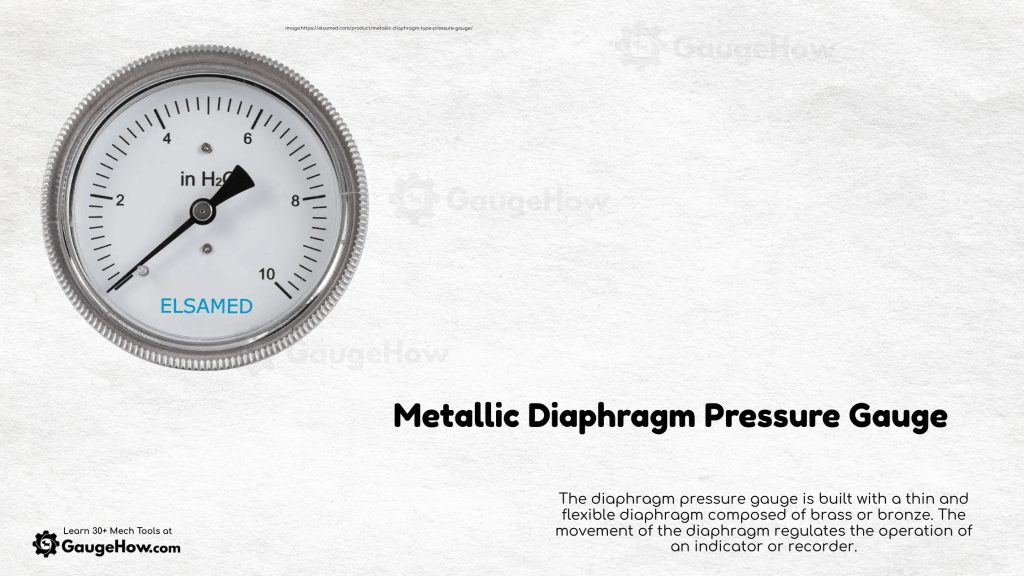
Metrology — traceable references
- Maintain traceability to a national or lab standard.
- Use a reference whose uncertainty is ≥4× better than the gauge tolerance.
- Example: gauge tolerance ±1% → reference uncertainty ≤ ±0.25%.
- Test at multiple span points: 0%, 20%, 40%, 60%, 80%, 100%.
- Record as-found and as-left values for every tested point.
- Always test hysteresis: ramp pressure up and down and log both directions.
- Record reference ID, date of reference calibration, and uncertainty on the certificate.
- Attach scanned certificates to the asset in your CMMS and link them to the test record.
Why pressure gauge calibration services must be engineering work
Measurement is the first control loop. If the reading is wrong, every downstream decision is compromised. In the field, I treat calibration as reliability work. It has three pillars: policy, metrology, and action. Policy defines which gauges matter and how we respond.
Metrology gives us objective error and uncertainty. Action is the engineering response — quarantine, replace, repair, or monitor.
I classify gauges by impact. Critical tags (safety, custody transfer) get tight tolerances and short intervals.
Control tags that affect yield get regular checks. Non-critical indicators get longer intervals, but remain monitored. This avoids wasted effort and focuses the budget on risk.
I keep the calibration procedure short and repeatable. Verify zero, apply a traceable source, test at the span points, measure hysteresis, and upload the certificate. No ambiguity. No guessing.
Pressure Gauge Calibration interval guideline — practical rules I apply
I start with vendor tolerance and environment. Then I use history.
- Critical instruments: 3–6 months initial interval.
- Important control instruments: 6–12 months.
- Routine indication: 12 months if history is stable.
If an instrument drifts outside tolerance twice in 12 months, I shorten the interval or replace it.
After pressure spikes, hydro tests, or repairs, I schedule immediate rechecks. Data drives interval changes — not feelings.
On-site vs lab
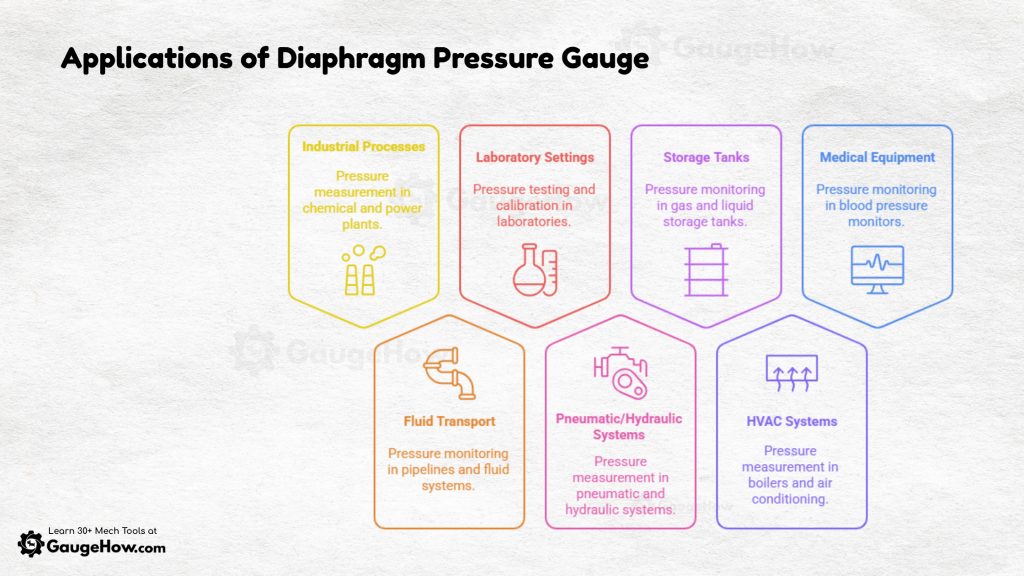
On-site calibration buys uptime. Labs provide formal traceability and certificates (ISO/IEC 17025 / NABL). I use on-site when the portable standard uncertainty is adequate for the tag’s tolerance. I send it to an accredited lab when legal traceability or formal certification is required.
Maintain a calibrated portable controller or dead-weight tester. Calibrate that reference on schedule. A flawed calibrator ruins all results.
Digital pressure gauge calibration procedure — concise technical workflow
Digital gauges simplify logging but not metrology. My steps:
- Verify range and zero.
- Connect a traceable pressure source.
- Test at 0%, 20%, 40%, 60%, 80%, and 100% span.
- Record as-found/as-left and hysteresis.
- Record reference ID and uncertainty.
- Upload the certificate to CMMS against the asset ID.
Consistency in certificate format saves hours during audits.
Predictive pressure gauge calibration monitoring — practical deployment
Predictive moves you from calendar checks to condition-based actions. Start small and keep rules simple. My pilot rule: if a gauge offset exceeds 0.5% for two consecutive shifts, schedule a check. That single rule found a mounting problem that would have caused a seal failure.
Implementation essentials:
- Log shift or daily readings for critical tags.
- Set conservative thresholds to avoid false alarms.
- Automate CMMS work orders on threshold breaches.
- Review trend reports monthly and refine thresholds.
PdM gives measurable ROI when implemented with discipline.
Root causes and applied fixes
Vibration, heat, liquid ingress, blocked impulse lines, and mechanical wear are the common causes I see.
Fixes I apply quickly: add dampers, install shields, fit siphons, flush lines, and replace worn gauges. When several gauges in an area drift together, fix the environment first.
Cost and the engineer’s business case
Make the budget case numeric and direct. I compare the annual calibration cost per gauge with the hourly cost of a process stop.
Example: if one unplanned stop costs 10,000 USD and annual calibration per critical gauge is 200 USD, preventing one stop quickly covers calibration across many tags. Predictive monitoring has a higher upfront cost but lowers unscheduled downtime and scrap. Use a five-tag pilot to prove the model.
Short, essential checklist
- Classify gauge, set initial interval.
- Test at 0–100% span and log as-found/as-left.
- Test hysteresis. Quarantine failed gauges.
- Upload certificates with uncertainty and reference ID.
- Log critical readings; automatically generate work orders when thresholds are breached.
Conclusion
Pressure Gauge Calibration is low-glamour engineering with high impact. Keep procedures short and repeatable. Use traceable references and log both as-found and as-left data.
Use simple predictive rules for early detection. Quarantine failed instruments and fix environmental root causes. Start small with a pilot and use numbers to expand. Measurement integrity pays in uptime, safety, and audit readiness.
Also Read:- Hydraulic vs Pneumatic Actuators Comparison: Real-World Data, Practical Uses & How I Choose
FAQs
- What is the recommended pressure gauge calibration interval guideline for critical process gauges?
Start at 3–6 months and adjust based on trend data; shorten if the drift repeats.
- How much does industrial pressure gauge calibration typically cost?
Costs vary by accuracy and accreditation; typical annual per-gauge calibrations for critical tags often range from $100 to $400, depending on service and region.
- When should I use an on-site pressure gauge calibration near me vs a lab?
Use on-site for speed and low-risk checks; use accredited labs when legal traceability is required.
- How do I implement predictive pressure gauge calibration monitoring?
Log readings, set conservative thresholds (e.g., 0.5% offset × 2 shifts), automate CMMS orders on breach, review trends monthly.
- What causes pressure gauge drift, and how do I prevent it?
Causes: vibration, heat, liquid ingress, blocked impulse lines, and mechanical wear. Prevent by installing dampers, shields, and siphons, and by conducting regular inspections.
- What must a pressure gauge calibration certificate include?
As-found/as-left values, reference ID, stated uncertainty, method, and traceability to an accredited standard.
