
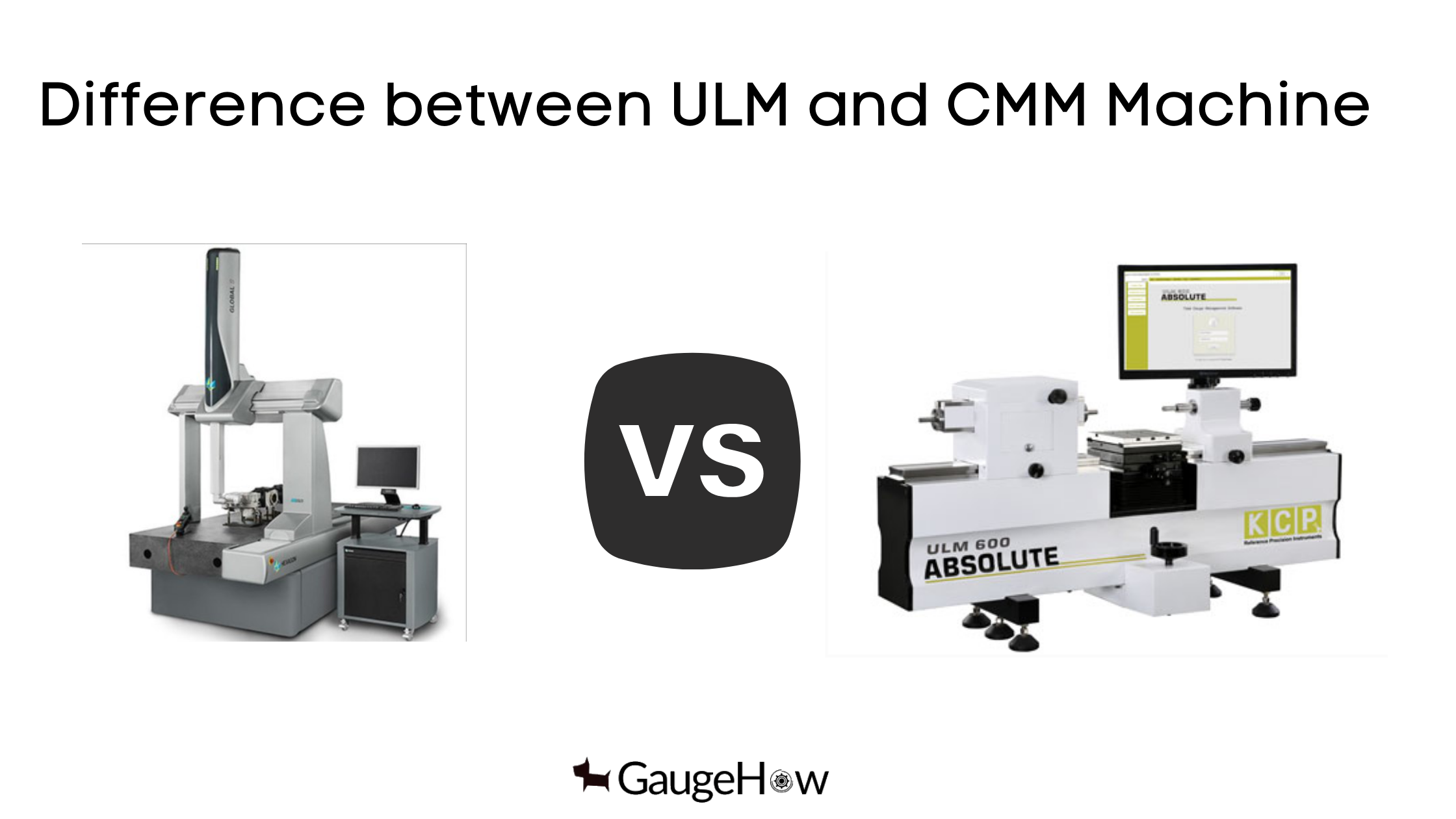
The ULM stand for Universal Length Measuring Machine and CMM means Coordinate Measuring machine.
Continue reading Difference between ULM and CMM Machine
The ULM stand for Universal Length Measuring Machine and CMM means Coordinate Measuring machine.
Continue reading Difference between ULM and CMM Machine
The full form of CMM is Coordinate Measuring Machine. It is an advanced measurement machine that works for measure complex and large components. CMM is a device for measuring the physical characteristics of an object. The machine is controlled by a computer or an operator.
CMM consists of 3-axis namely X-axis, Y-axis, Z-axis. Measurement is done by the prob attached to a third moving axis. This prob could be mechanical, optical, laser or white light.
So, the machine who takes reading in 6 DOF(Degree of freedom) known as CMM.
Learn all about CMM in our online course of Coordinate Measuring machine.
There are four basic types of stationary CMM:
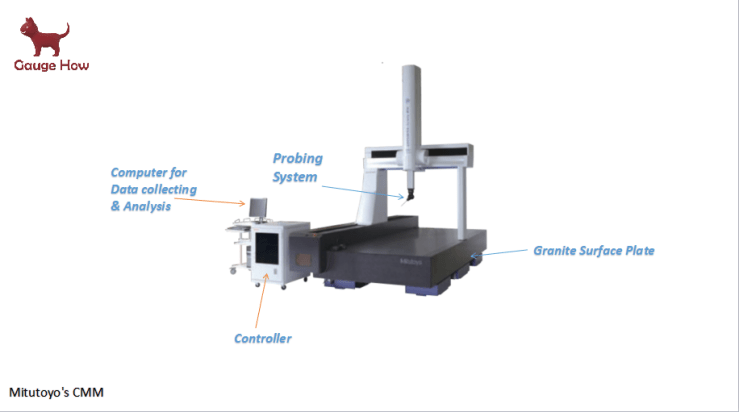
Bridge CMMs are the most common type of coordinate measuring machine.
It is used for High accuracy, moderate flexibility, for medium-sized components.
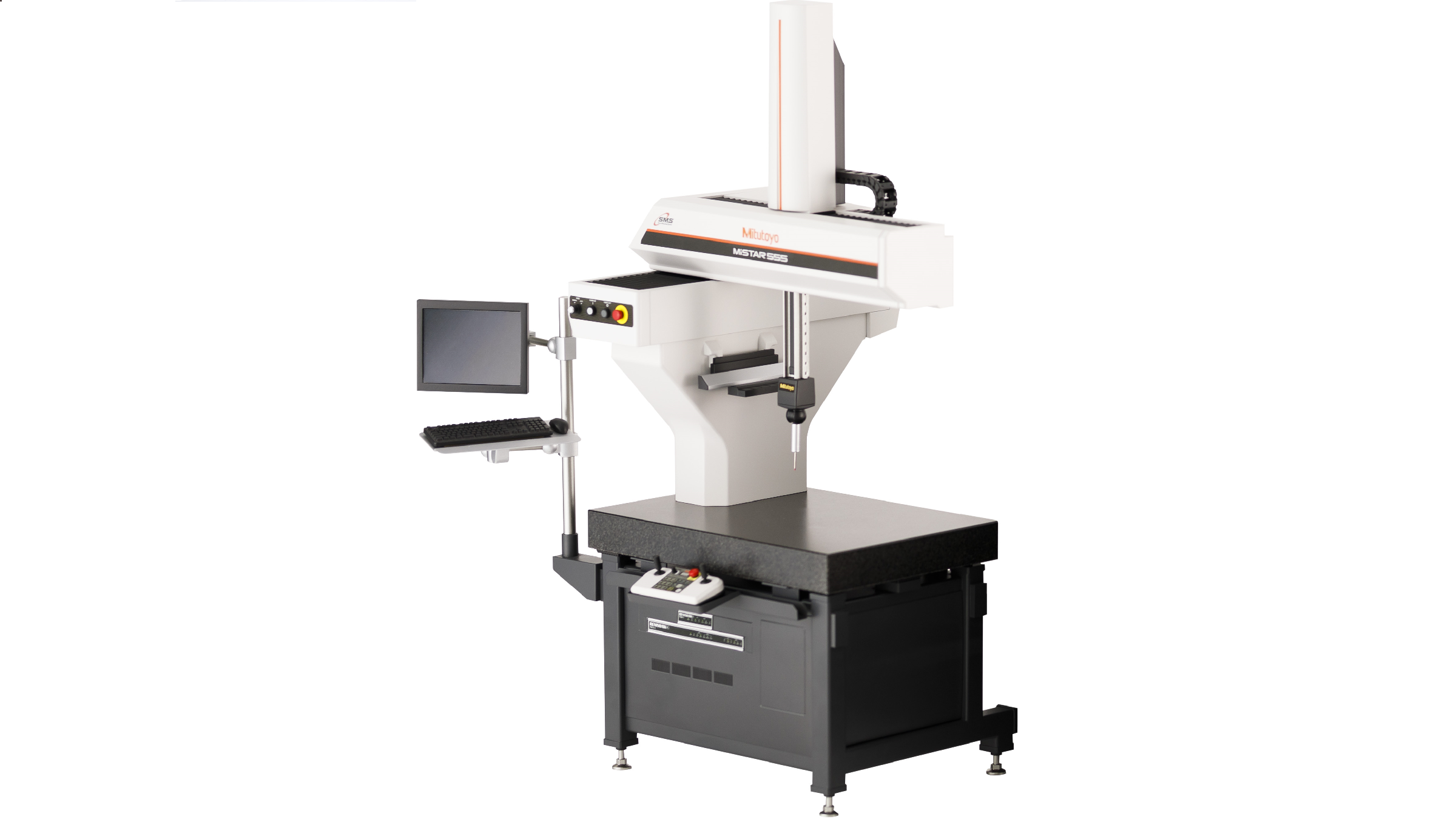
Cantilever CMMs differ from the bridge style in that the measuring head is only attached on one side of a rigid base.
This type of CMM is used for Highest Accuracy, Lowest Flexibility, for small-sized components.

Horizontal arm CMMs are less accurate than the other types of CMM. because of their design. However, it also makes them useful for measuring large workpieces or components.
This is used for the Lowest accuracy, Highest flexibility, for very large components. Learn all about CMM in our online course of Coordinate Measuring machines.
Gantry CMMs are designed similar to bridge type CMMs, but tend to be much larger.
Gantry CMM is used for High accuracy, Moderate flexibility for large components.

CMM probes are available in three main forms:
Read More about Probs of CMM
Read more about Principles and Parts of CMM
Learn Coordinate Measuring Machine
Read More about the Online CMM Course

CMM probs convert physical measurements into electrical signals. CMM probes have a wide classification for direct and comparative measurements.
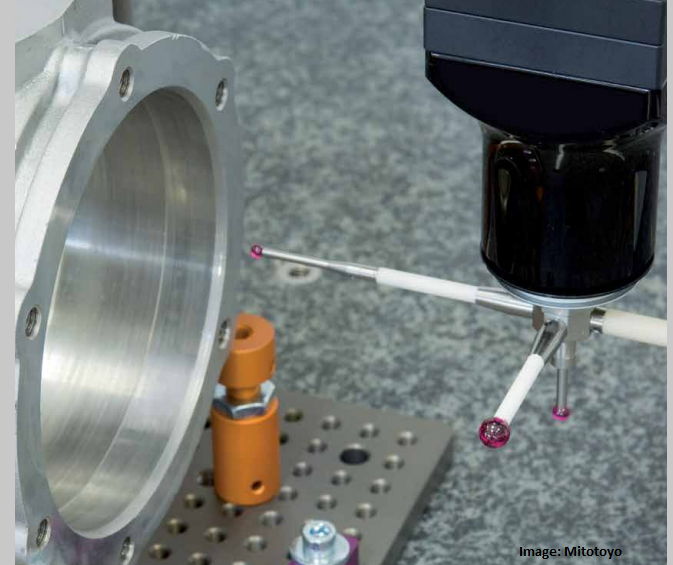
CMM probes are available in three main forms:

Touch-trigger probes are the most common type. They actually touch the surface of the work-piece, and open contact, send a signal with the coordinates of the point to the CMM.

The probe is than backed off and move to the next location where the process is repeated.

Displacement measuring CMM probes are also known as scanning probes. This method generally involves passing the prob over a target surface at its working range. As the probe scans the surface, it transmits the continuous flow of data to the measurement system.
Scanning contact probes many use LVDT(Linear variable differential transformer) or optoelectronic position sensing.

Proximity or non-contact probes function similarly to displacement measuring CMM probes, but they use laser, capacitive or video measurement technology instead of LVDT’s.
There are four basic types of stationary CMM:
Read More about Types of CMM
Learn CMM: Check here for an online course

CMM(Coordinate Measuring Machine) is an advanced measurement machine that works to measure complex and large components. CMM is a device for measuring the physical characteristics of an object. The machine is controlled by a computer or an operator. Learn more
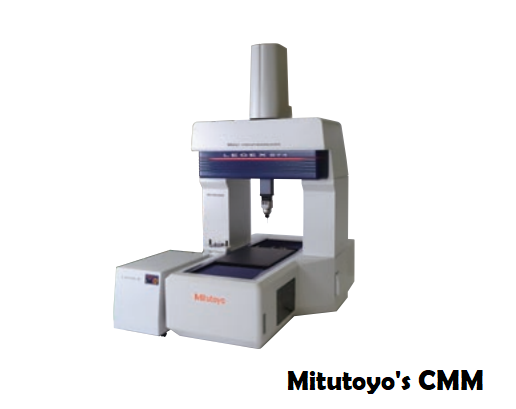
CMM consists of 3-axis namely X-axis, Y-axis, Z-axis. Measurement is done by the prob attached to a third moving axis. This prob could be mechanical, optical, laser or white light.
So, the machine who takes reading in 6 DOF(Degree of freedom) known as CMM.
The 3 main component of CMM are-
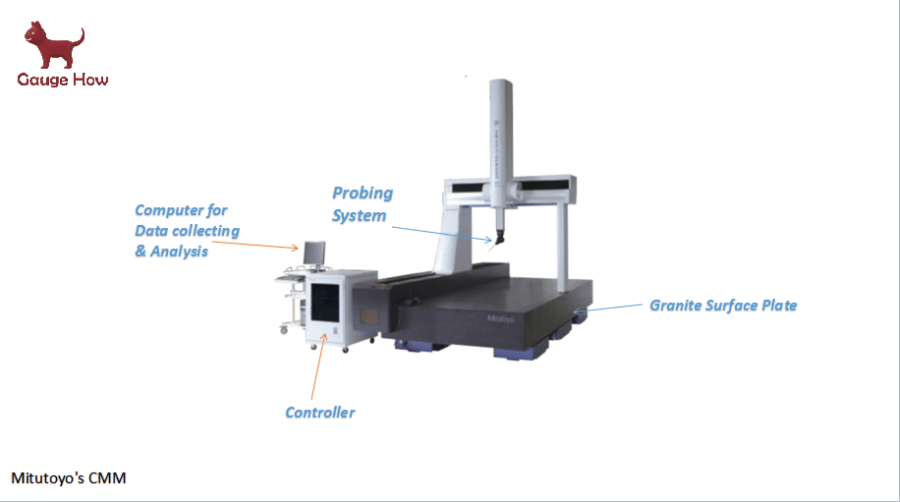
CMM record X, Y, Z coordinates of the object and generate point which analysis by regression algorithm. This points are collected by Prob via direct computer control.
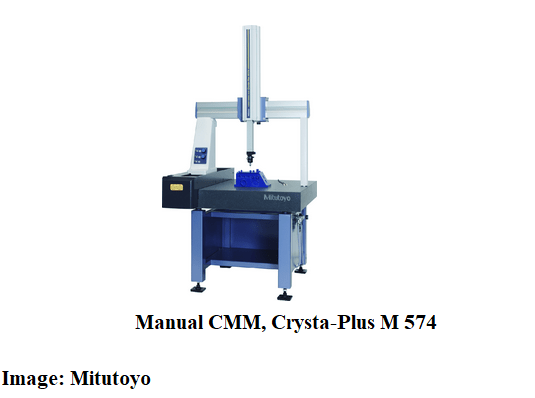
This is Mitutoyo’s manual floating bridge type CMM coordinate measuring machines designed to achieve very high accuracy in a wide range of applications.The model type is CRYSTA-PLUS M is the intelligent alternative to the complex, cost-intensive measuring equipment with conventional multi-point measuring devices.
CMM probes are available in three main forms:
Read more about Prob of CMM
There are four basic types of stationary CMM:
Read More about Types of CMM